
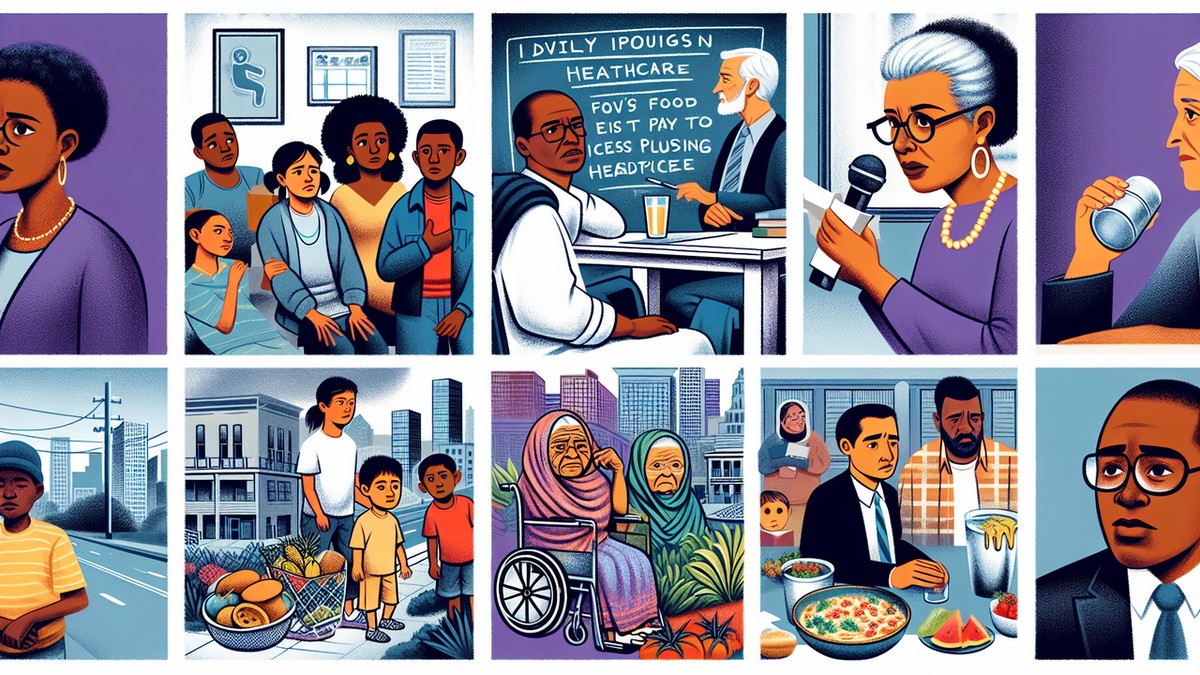
aippg.com – Inequality America is not just a statistic. It affects paychecks, schools, housing, and health in everyday decisions. The gaps are visible in where people live and what they can afford. Understanding the drivers helps communities push for fairer outcomes.
Many forces feed these divides, including job markets, public policy, and historic patterns. Some are local, while others come from national trends. When advantages stack over time, families can drift farther apart. That distance can become hard to close without change.
This article explains seven practical ways inequality America shows up across the country. It also highlights why the problem differs by region and race. Each section points to choices that can reduce barriers. The goal is clarity, not blame.
1) Wages, work, and inequality America
Pay is the most direct way inequality America enters daily life. In many industries, wages have not kept pace with housing and health costs. Workers may hold multiple jobs and still struggle. Meanwhile, high earners often see faster gains through bonuses and equity.
Job security also matters. Temporary contracts and unpredictable schedules shift risk onto workers. When hours swing week to week, budgeting becomes guesswork. These patterns widen the gap between stable careers and unstable labor.
Regional differences deepen the split. A paycheck stretches farther in some areas than others. Yet many fast growing cities have steep costs that erase wage gains. That mismatch intensifies inequality America within the same metro area.
2) Technology and skills gaps
New technology rewards specialized skills. Workers with in demand credentials often gain bargaining power. Those without training face slower wage growth. Over time, the divide becomes persistent and generational.
Automation also changes middle wage work. Some roles disappear, while others shift into lower paid service jobs. Retraining can help, but it is not always accessible. When support is thin, inequality America grows through lost mobility.
Employers often cluster high paying roles in a few hubs. That concentrates wealth and opportunity. Smaller towns may lose talent and investment. The result is a widening map of winners and lagging regions.
3) Worker power and labor standards
Labor standards shape pay and safety. When wage floors are low, earnings at the bottom can stagnate. Paid leave and predictable scheduling also affect stability. These policies influence inequality America more than many people realize.
Union membership has fallen over decades. In many places, that reduced worker leverage in negotiations. Lower bargaining power can mean slower raises and fewer benefits. The impact is strongest in industries with intense competition.
Enforcement is as important as rules. Wage theft and misclassification still occur. When oversight is weak, workers lose income and trust. Stronger enforcement can narrow gaps without raising consumer prices much.
4) Housing, neighborhoods, and inequality America
Housing is both a cost and a pathway to wealth. When prices rise faster than incomes, renters fall behind. Homeowners may gain equity, while others cannot enter the market. This dynamic drives inequality America across generations.
Neighborhoods determine access to schools, transit, and jobs. Long commutes can limit work options and family time. Disinvestment can reduce local services and safety. These place based factors compound personal setbacks.
Zoning rules often restrict new housing supply. Limited supply pushes prices higher in job rich areas. The burden lands most on younger households and lower income families. As a result, inequality America becomes tied to where people are allowed to live.
5) Segregation and historic policy
Many communities still reflect past discrimination. Lending rules and local decisions shaped who could buy where. The effects linger in home values and school funding. This history continues to influence inequality America today.
Segregation can limit networks and information. Job leads often flow through social ties. When communities are isolated, opportunity can shrink. That isolation can be hard to break without deliberate investment.
Public works and infrastructure choices also matter. Highways sometimes divided neighborhoods and reduced property values. Environmental burdens often landed near lower income areas. These decisions can lock in unequal outcomes for decades.
6) Homelessness and the housing shortage
Rising rents and low vacancy rates increase the risk of displacement. A single emergency can push a family into crisis. Shelters may be full or far away. This is one of the sharpest edges of inequality America.
Mental health and addiction services are part of the picture. Many people need stable care alongside housing. Without coordinated support, cycles of instability continue. Effective programs blend housing with services and follow up.
Prevention can be cheaper than response. Rental assistance, eviction mediation, and legal help can keep people housed. Building more affordable units also matters. When communities expand supply, pressure eases across the market.
7) Education, health, and inequality America
Schools and health systems are major engines of mobility. Yet access varies widely by income and ZIP code. Early learning gaps can start before kindergarten. Those gaps often widen through graduation, reinforcing inequality America.
College can raise earnings, but costs can be heavy. Student debt can delay homeownership and savings. Nondegree credentials can help, but quality varies. Clear pathways into good jobs are essential for upward movement.
Health affects work, learning, and family stability. Chronic illness can reduce earnings and increase expenses. Preventive care is often easier for insured and higher income households. Better access can reduce inequality America over time.
Healthcare access and life expectancy
Coverage differs by state policy and employer benefits. People without insurance may delay care until problems worsen. That leads to higher costs and worse outcomes. These gaps are a visible part of inequality America.
Life expectancy varies across counties. Factors include pollution, food access, and stress. Unsafe housing and long commutes add strain. Health disparities can mirror economic divides almost perfectly.
Community clinics and expanded primary care can help. So can stronger mental health services and addiction treatment. Public health investments often pay back through productivity. When health improves, opportunity expands as well.
What can narrow the gaps
No single reform ends inequality America. Progress often comes from a package of policies. These can include housing supply, wage standards, and targeted tax credits. Local efforts work best when paired with state and federal support.
Skills training should connect to real hiring demand. Apprenticeships and community college pathways can lift wages. Childcare support also increases labor force participation. These tools help families build stability.
Accountability matters in both public and private sectors. Data on outcomes can reveal who is being left behind. Transparent goals make it easier to track progress. Over time, sustained effort can reduce inequality America without harming growth.
Conclusion. Inequality America is shaped by work, housing, education, and health. Each area has practical levers that communities can use. The hardest part is maintaining focus across election cycles. The most effective change is consistent, local, and measurable.