
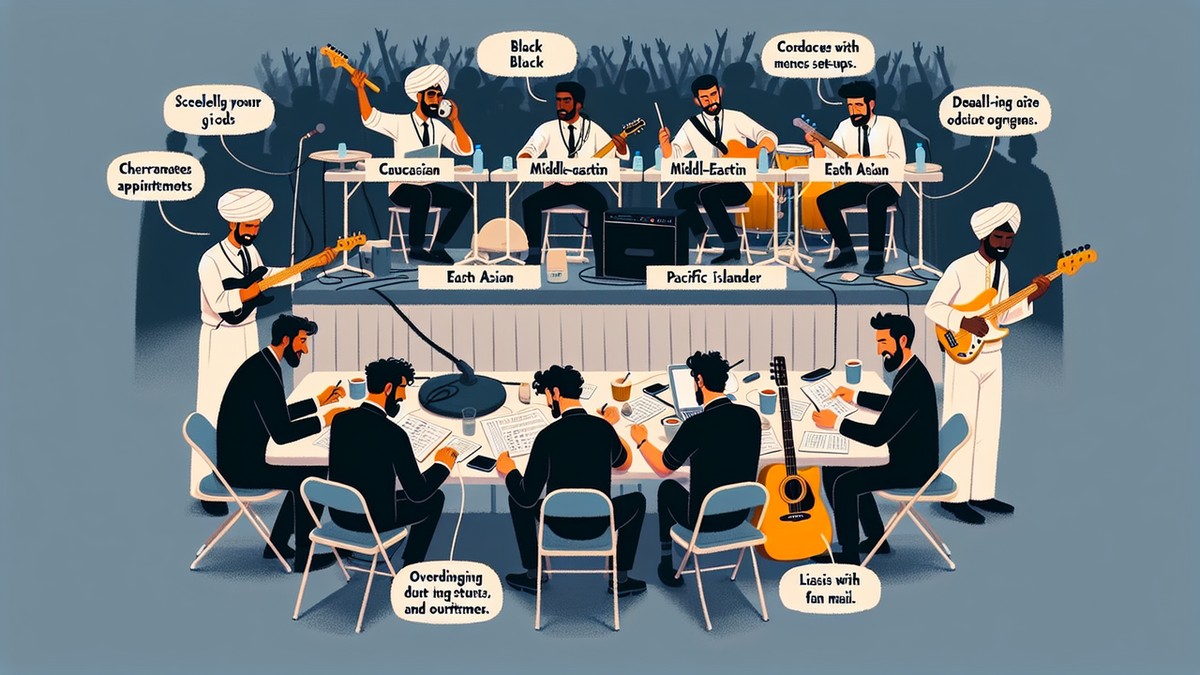
aippg.com – Band assistants have become a quiet backbone of modern music teams. They handle practical details that can distract players from performance and creativity. When the schedule gets busy, their work protects focus and reputation.
From rehearsal planning to on-the-road problem solving, these roles support both new acts and touring veterans. The right support can reduce missed cues, late arrivals, and last-minute chaos. That stability often shows up as tighter shows and happier collaborators.
This guide explains what band assistants do, where they add the most value, and how to work with them effectively. It also covers pay factors, hiring tips, and tools that keep operations smooth. Use it to decide what support your band actually needs.
What Band Assistants Do Behind the Scenes
Band assistants help translate creative plans into reliable execution. They manage time, information, and logistics that can overwhelm a small team. Their goal is to keep the band moving without friction.
Some work part-time for local gigs, while others travel full-time on tours. The scope changes with budget, genre, and the size of the crew. What stays constant is accountability for the details.
In many groups, these responsibilities used to fall on whoever was most organized. As schedules grow, that approach can create burnout and mistakes. Dedicated band assistants reduce that risk by owning repeatable processes.
Scheduling, communication, and daily coordination
Band assistants often act as the central point for calendars, call times, and confirmations. They coordinate rehearsals, studio blocks, and load-in times with venues. Clear timing prevents rushed setups and soundcheck stress.
They also keep communication clean by tracking decisions and sending concise updates. That can include set time changes, transport plans, and hospitality notes. When messages are organized, fewer issues fall through the cracks.
Many bands use shared calendars and group chats, but those tools need stewardship. A dedicated person sets reminders, follows up, and closes loops. That is where band assistants consistently earn their value.
Gear logistics, checklists, and stage readiness
Band assistants support gear flow with packing lists, labels, and simple inventory habits. They can prep cases, confirm rentals, and verify spares like cables and batteries. Small checks prevent show-stopping problems.
Before a gig, they may confirm technical requirements with the venue. That includes input lists, backline details, and stage layout needs. Better prep usually means faster changeovers and fewer surprises.
On performance day, they help keep the path from van to stage efficient. They track who has what, and what must be loaded last. With band assistants, stage readiness becomes routine rather than luck.
Travel planning, settlements, and basic admin
Band assistants can organize travel, hotels, and routing to avoid wasted time. They monitor check-in deadlines, parking rules, and local traffic patterns. Good planning protects energy for the show.
They may also help with paperwork such as invoices, receipts, and simple budget tracking. Even small tours create a pile of transactions that must be recorded. Clean admin supports taxes, reimbursements, and transparency.
After the gig, they can support settlement preparation by gathering counts and notes. They keep documents accessible for the manager or accountant. When band assistants handle these tasks, the band sleeps better.
How Band Assistants Improve Rehearsals, Gigs, and Tours
Band assistants improve performance indirectly by reducing mental load. Musicians can focus on timing, tone, and connection with the crowd. The difference is especially clear during busy run-ups to releases and tours.
They also strengthen professionalism with venues, promoters, and crew. Reliable communication and punctuality build trust. Over time, that trust can lead to better slots, smoother production, and repeat bookings.
Just as important, band assistants can reduce tension inside the group. When tasks are assigned fairly and tracked, fewer arguments happen. Everyone knows what is done and what is pending.
Better rehearsal flow and faster progress
Band assistants can prepare rehearsal agendas, song lists, and goals for each session. That keeps practice from drifting into endless debate. A focused plan turns limited time into measurable progress.
They also manage materials like charts, lyric sheets, and reference recordings. When files are named and stored consistently, everyone shows up prepared. That consistency matters when lineup changes happen.
After rehearsal, they can capture notes, tempos, and arrangement decisions. Those records help the band avoid repeating the same discussions. With band assistants, momentum lasts between sessions.
Smoother shows and stronger venue relationships
Band assistants can confirm arrival times and keep the day moving from load-in to soundcheck. They relay updates to crew and monitor small delays. That reduces the domino effect that ruins show days.
They often handle practical needs like water runs, wristbands, or locating staff. These small tasks can distract artists right before stage time. Keeping musicians calm can improve performance.
When the band leaves the venue organized, staff remembers it. Clear communication, clean exits, and accurate follow-ups matter. That is another reason band assistants are valuable beyond the music.
Merch, fan touchpoints, and content support
Band assistants sometimes help with merch setup, stock counts, and cashless systems. They can coordinate pricing, signage, and restock timing. Strong merch operations can materially support tour budgets.
They may also capture basic behind-the-scenes content, if agreed in advance. That can include short clips, setlist photos, or candid moments on the road. Clear boundaries keep the work respectful and efficient.
Even simple fan touchpoints, like a tidy table and quick answers, shape the audience experience. Consistency builds loyalty, especially for growing acts. In this area, band assistants can make a big difference.
Hiring Band Assistants: Skills, Pay, and Best Practices
Band assistants are most effective when the role is defined clearly. Vague expectations lead to missed tasks and frustration on both sides. A simple written scope can prevent most issues.
For many bands, the best hire is someone calm under pressure and comfortable with people. Organization matters, but attitude matters more on the road. Reliability and discretion are essential.
Pay varies by workload, region, and whether travel days are involved. Some roles are hourly, others are day rates or weekly agreements. Whatever you choose, treat band assistants as professionals.
Core skills to look for in band support roles
Band assistants should be strong communicators who can summarize information quickly. They must be able to follow up without being confrontational. In busy settings, clarity beats long explanations.
Look for practical problem solving, not just enthusiasm. A good candidate can prioritize tasks and stay composed when plans change. That trait protects the whole schedule.
Trust is central, because they may handle access, money, or private conversations. Ask about confidentiality habits and references. The best band assistants respect boundaries naturally.
Pay structure, expectations, and boundaries
Band assistants typically need clear rules on hours, overtime, and travel compensation. Spell out per diem, accommodation standards, and reimbursement timelines. Transparency prevents resentment later.
Define what is not included, such as personal errands or tasks that cross comfort lines. This protects everyone and keeps the relationship healthy. Professional boundaries make touring easier.
Consider a short trial period with specific goals, like two rehearsals and two shows. Review what worked and what did not. That approach helps both parties decide if the band assistants role is a fit.
Tools and systems that make the job easier
Band assistants work best with shared tools that the whole team uses. A single calendar, a shared drive, and a simple task list can cover most needs. Keep systems lightweight so people actually follow them.
Standardize documents like stage plots, input lists, and contact sheets. Update them after each run, not once a year. Small improvements compound over time.
Finally, build a routine for check-ins and debriefs. Ten minutes after each show can surface issues early. When band assistants have a process, the band gains stability.