
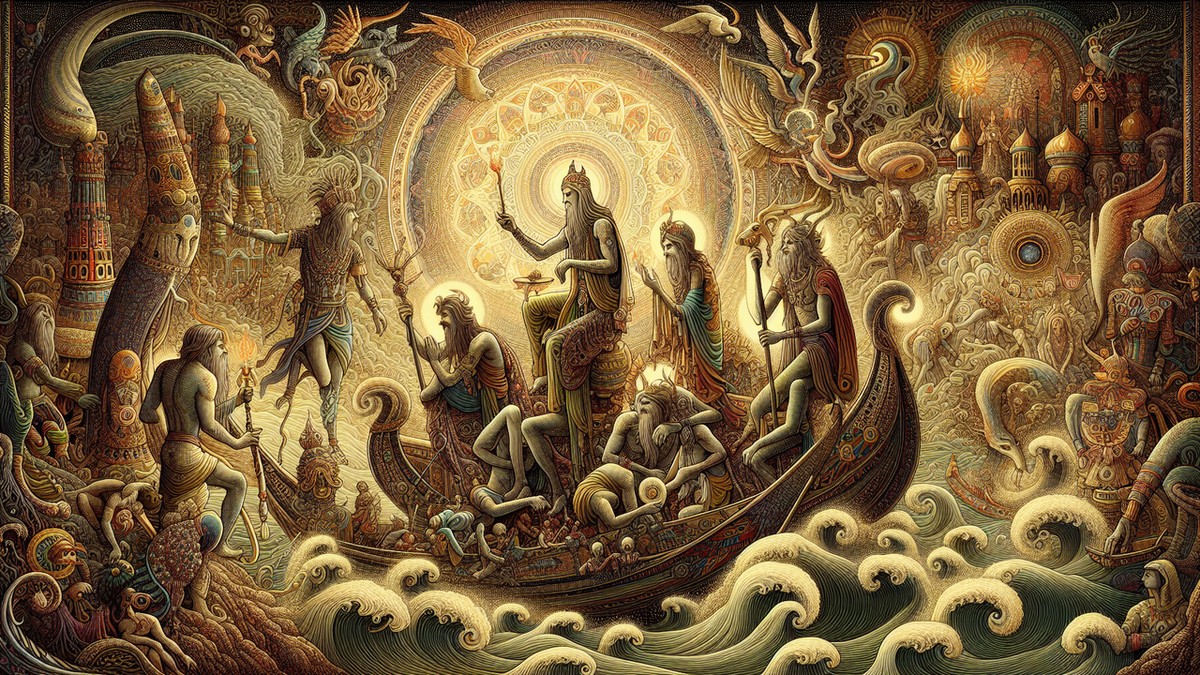
aippg.com – shamans trump has become a recurring phrase in online discussions that mix politics, spirituality, and viral storytelling. Some posts frame it as prophecy, others as satire, and many present it as “hidden knowledge” that cannot be verified. What keeps these narratives alive is not one clear event, but a pattern of how modern platforms reward emotional, mysterious, and shareable claims.
Below is a practical look at the common themes behind these stories, how they get amplified, and how to read them with a clear head. This is not a spiritual guide or a political endorsement. It is a map of the internet dynamics that make these claims easy to repeat and hard to correct.
How shamans trump narratives are built
Most shamans trump narratives follow the same structure. They begin with a dramatic scene, then add a spiritual authority figure, and finally attach a political meaning. The result is a story that feels symbolic, even when details are thin.
A key ingredient is ambiguity. When a claim is vague, readers can project their own fears or hopes onto it. That flexibility helps a post travel across communities that normally disagree.
Another common element is selective editing. Short clips, cropped images, and out-of-context quotes can make ordinary moments look ritualistic or prophetic. Once a clip circulates, later corrections rarely reach the same audience.
Why symbolism travels faster than facts
Symbolic content spreads quickly because it is easy to understand. A single image can carry a full narrative without proof. That is why shamans trump posts often lean on costumes, gestures, or “signs.”
Platforms also reward engagement signals. If a post triggers strong reactions, it rises in feeds and gets duplicated. The emotional response becomes more important than the accuracy.
People share symbolic stories to signal identity. Sharing can say, “I see what others miss,” or “I belong to this group.” That social payoff keeps the cycle moving.
Common sources and how they get misread
Many shamans trump claims pull from three sources. They use screenshots of headlines, repackaged folklore, or commentary clips from influencers. Each layer adds interpretation while removing context.
Folklore and indigenous traditions are especially vulnerable to misrepresentation. A term like “shaman” is often used loosely online. It can flatten diverse practices into a single stereotype.
Misreading often happens through translation, too. A phrase taken from another language may be rendered into dramatic English. The translated version can sound like a prediction even if it was never meant that way.
How repetition makes a claim feel true
Repeated exposure increases belief. When people see the same shamans trump claim across several accounts, it starts to feel confirmed. In reality, it may be one origin post copied many times.
Repetition also creates “memory glue.” Readers remember the headline but forget the doubts. Over time, the story becomes a shared reference point.
Even debunking can accidentally amplify the message. If a correction restates the claim without careful framing, it can help the rumor reach new audiences.
Why shamans trump content keeps resurfacing
shamans trump content resurfaces because it sits at the intersection of several high-interest topics. Politics drives attention, spirituality adds mystery, and conspiracy framing makes the audience feel like detectives. These elements combine into reliable virality.
There is also a cycle of current events. Whenever a new headline appears, older posts get recycled as “evidence” of a pattern. A narrative that never fully ends is easy to revive.
Finally, these stories often avoid clear claims. They hint rather than state, which protects them from being definitively disproven. That open-ended style keeps the conversation going.
The role of algorithms, influencers, and short video
Short video is a major engine for shamans trump content. A creator can suggest meaning with music, captions, and quick cuts. Viewers fill in the gaps and share their own interpretations.
Influencers also compete to be first. When speed matters, verification suffers. A shaky claim can become a trend before anyone checks basic details.
Algorithms then reinforce the theme. If you watch one clip, you get more. The feed becomes a tunnel where the same idea appears from many angles.
How to fact-check claims without dismissing culture
Start by separating cultural practice from internet storytelling. Many shamans trump posts use “shaman” as a dramatic label, not a precise description. Ask which tradition is being referenced and whether a credible community voice is cited.
Check original sources. Look for full-length footage, unedited interviews, and time stamps. If a post cannot show where and when something happened, treat it as entertainment.
Also check whether the claim changes as it spreads. If each repost adds new “details,” you are likely watching a rumor evolve, not a fact emerge.
What responsible sharing looks like
Before reposting shamans trump content, pause and ask one question. Do you know what you are asserting, or are you sharing a vibe? That single step prevents many mistakes.
Use neutral language when uncertain. Say “unverified” or “unclear,” and avoid turning symbols into accusations. This keeps discussion open without rewarding misinformation.
If you want to explore spiritual themes, seek trustworthy material from educators and practitioners. Treat culture with respect, and treat political claims with the same standards you would want applied to your own beliefs.
URL slug: shamans-trump-stories-online